
Battery Solutions for Every Solar Setup
Tesla Powerwall and Premium Options
When people ask us what battery we’d recommend, Tesla Powerwall usually comes up first. It’s the one most folks have heard of, and for good reason – it’s reliable, looks decent on the wall, and the 13.5kWh capacity handles most homes without breaking a sweat. But it’s not your only option. LG Chem batteries have been rock-solid performers in Hobart conditions, and they often come in a bit cheaper. Then there’s Sungrow, Pylontech, and BYD – all proven systems that we’ve installed across Tasmania with great results.
Matching Battery Size to Your Usage
Here’s where it gets practical. A 10kWh battery might be perfect for a couple in a well-insulated townhouse, but a family of five in a 1960s weatherboard is going to need more storage. We look at your actual power bills, see when you’re using electricity, and work out what size battery makes financial sense. No point spending extra on capacity you’ll never use, but you also don’t want to run out of stored power halfway through the evening.
Adding Batteries to Existing Solar Systems
Got solar panels already but no battery? That’s most of our Hobart customers right there. The good news is nearly every system can be retrofitted with battery storage. Sometimes it’s straightforward – add a battery and an inverter, wire it in, done. Other times your existing inverter needs upgrading to handle the battery. We’ll assess what you’ve got and tell you exactly what’s involved. And yeah, sometimes starting fresh makes more sense than trying to make old equipment work with new batteries, but we’re honest about that from the start.

Local Advantages for Battery Storage in Hobart
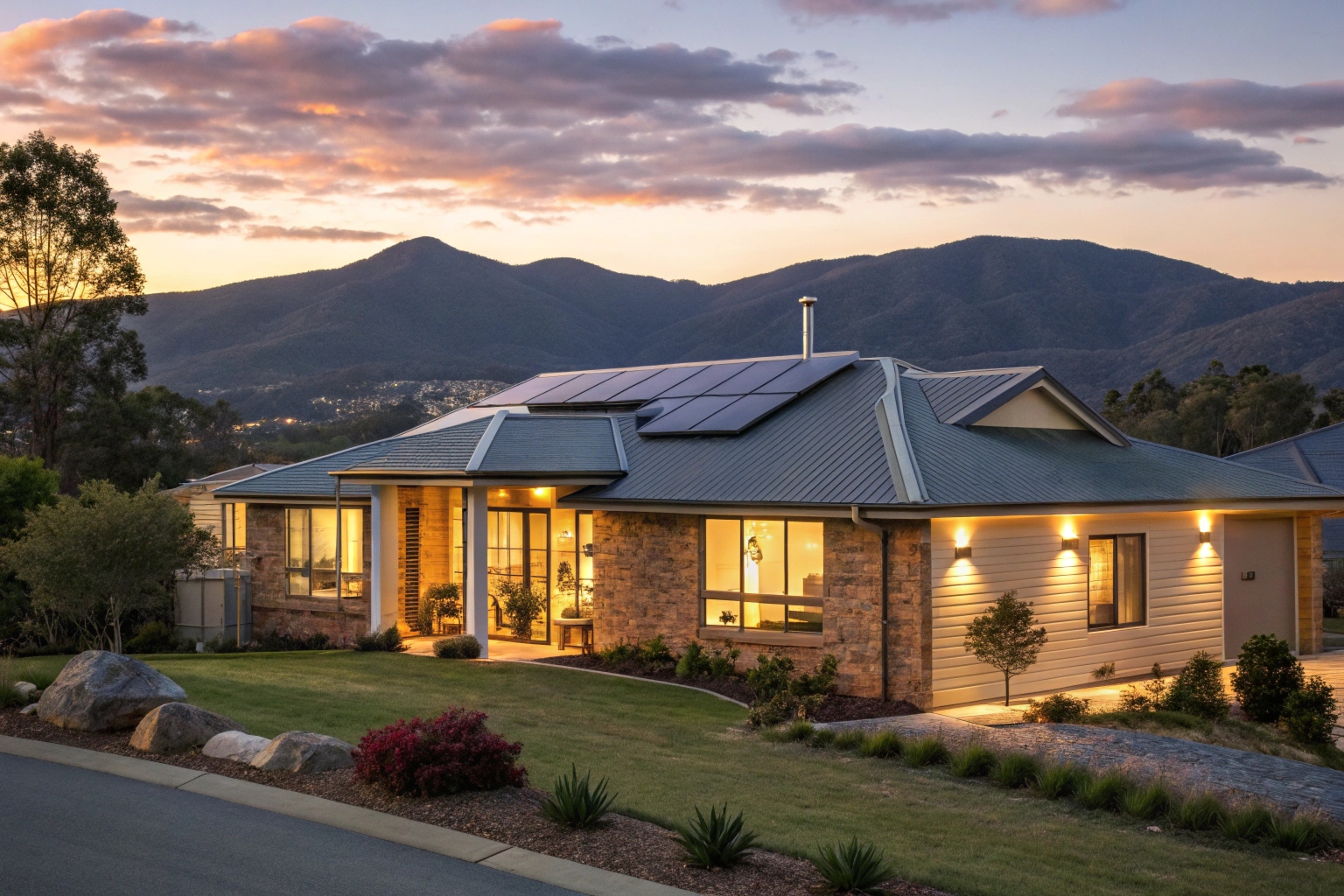
Hobart’s actually one of the better places in Australia for solar batteries. The cooler climate means your battery doesn’t work as hard to stay at optimal temperature – heat’s the enemy of battery life, and we simply don’t get the 40-degree days that Sydney and Brisbane deal with. That translates to batteries lasting longer down here.
Tasmania’s renewable energy mix helps too. We’re already running on mostly hydro power, so when you do pull from the grid, it’s cleaner than most of Australia. Add your own solar and battery system, and you’re pretty much running on 100% renewable energy. Some of our customers haven’t bought coal or gas-generated power in years.
The other thing about Hobart – we’ve got experienced installers who know the local conditions. Mounting batteries in homes that weren’t built for them, dealing with Hobart’s older housing stock, understanding how coastal salt air affects different battery types. We’ve seen what works and what doesn’t in Tasmanian conditions, and that experience matters when you’re making a 10-year investment.
How Battery Installation Actually Works
Site Assessment and System Design
First thing we do is come out and look at your property. Where’s your existing solar system? Where can we mount the battery – garage, external wall, inside? What’s your switchboard situation like – does it need upgrading to handle the battery? We measure up, take photos, check your solar inverter specs, and get a proper understanding of what we’re working with. Then we design a system that actually fits your house, not just what’s easiest for us to install.
Installation Day
Most battery installs take a full day, sometimes two if there’s electrical work needed. We’re mounting the battery unit, installing or upgrading the inverter, running new cables, updating your switchboard, and programming everything to work together. It’s proper electrical work – licensed sparkies only, all work certified. Your power will be off for a few hours while we’re connecting everything up, so we’ll let you know exactly when that’s happening.
System Commissioning and Handover
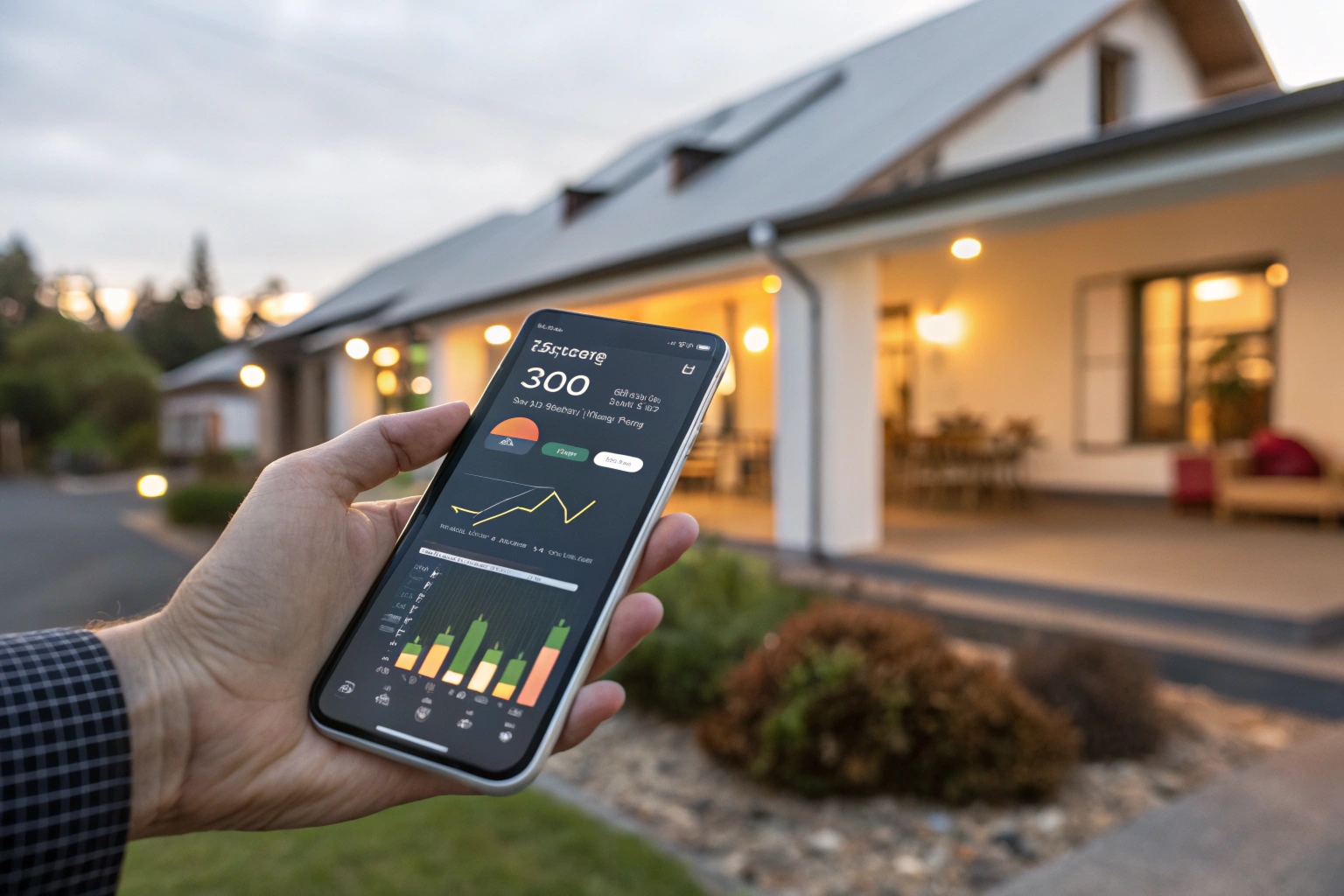
Once it’s all wired up, we test everything, make sure the battery’s charging and discharging properly, and set up your monitoring app so you can see what’s happening with your system. We’ll show you how it all works, what to keep an eye on, and what the different lights and displays mean. Then we handle all the paperwork – notifying your electricity retailer, lodging compliance certificates, sorting out any rebate applications.
What Battery Storage Actually Costs in Hobart
Upfront Investment and Payback
Battery prices have dropped a fair bit over the last few years, but they’re still a decent investment. A quality 10kWh system installed properly will set you back somewhere between $10,000 and $15,000. Tesla Powerwall sits at the higher end, around $15,000-$17,000 installed. That sounds like a lot, and it is, but the payback’s gotten better as electricity prices keep climbing. Most Hobart households are looking at 7-10 year payback periods, sometimes quicker if they’re on time-of-use tariffs and using a lot of evening power.
Government Rebates and Incentives
Tasmania’s battery rebate scheme comes and goes depending on government funding, so it’s worth checking what’s available when you’re ready to buy. When the rebates are running, they can knock a few thousand off the price. There’s also interest-free loans available through some programs, which makes the upfront cost easier to manage. We keep track of what’s current and help with the paperwork.
Financing Options
Don’t have $15,000 sitting around? Most people don’t. Solar battery finance is pretty common now – spread the cost over 5-7 years, and your loan repayments are often less than what you’re saving on power bills. Some providers offer interest-free periods, others have low-rate green loans. We can point you towards reputable finance options that actually make sense.
Battery Maintenance and What to Expect Long-Term
FAQs About Solar Batteries
Depends on what you’re running, but a typical 10kWh battery will power an average Hobart home through the evening and most of the night. If you’ve got electric heating going full noise on a cold winter evening, you’ll drain it quicker. In summer with minimal usage, you might wake up with 40-50% still in the tank.
If your system’s set up with backup capability, your battery keeps running essential circuits – lights, fridge, some power points. Not the whole house usually, just the important stuff. The system automatically disconnects from the grid and switches to battery power within seconds.
Technically yes, but it’s expensive and not worth it for most people. You’d need a massive battery bank to cover multiple cloudy days, plus you lose the grid as backup. Better to stay connected and just minimise what you buy from the grid.
Yeah, they work fine. Solar production drops in winter obviously, so you’re charging less during short days, but the battery itself performs better in cool weather than hot. You might not fill it completely on cloudy winter days, but you’ll still get useful storage.
Get a Solar Battery Quote for Your Hobart Property
We’ve installed battery systems across Hobart – from Battery Point to Kingston, Glenorchy to Sandy Bay. Every property’s different, and there’s no one-size-fits-all answer to what battery setup you need. That’s why we do proper site assessments before quoting.
Give us a call and we’ll come out, look at your existing solar system (or lack of one), check your power bills, and work out what makes sense for your situation. No obligation, no pressure to buy something you don’t need. We’ll give you honest advice on whether a battery’s worth it for your place, what size you need, and what it’ll actually cost installed.
Licensed installers, quality brands, clean installation work, and we’re still here if something goes wrong in five years. That’s what you get when you choose local solar specialists who’ve been doing this in Hobart for years.
Call us today or fill in the quote form and we’ll be in touch within 24 hours.
