
Professional Solar Monitoring Installation Process
Setting up solar monitoring isn’t just about downloading an app – there’s actual technical work involved to get everything connected and talking to each other properly. Here’s what happens when we install a monitoring system at your Hobart property.
Initial System Assessment
First up, we need to figure out what you’ve already got. We’ll check your inverter type, whether you’ve got smart meters installed, and what kind of internet connectivity you’re working with. Some modern inverters have built-in monitoring that just needs activating, while older systems might need additional hardware. We’ll also look at your energy goals – are you trying to track self-consumption, monitor battery performance, or just want to make sure your panels are working?
Hardware Installation and Configuration
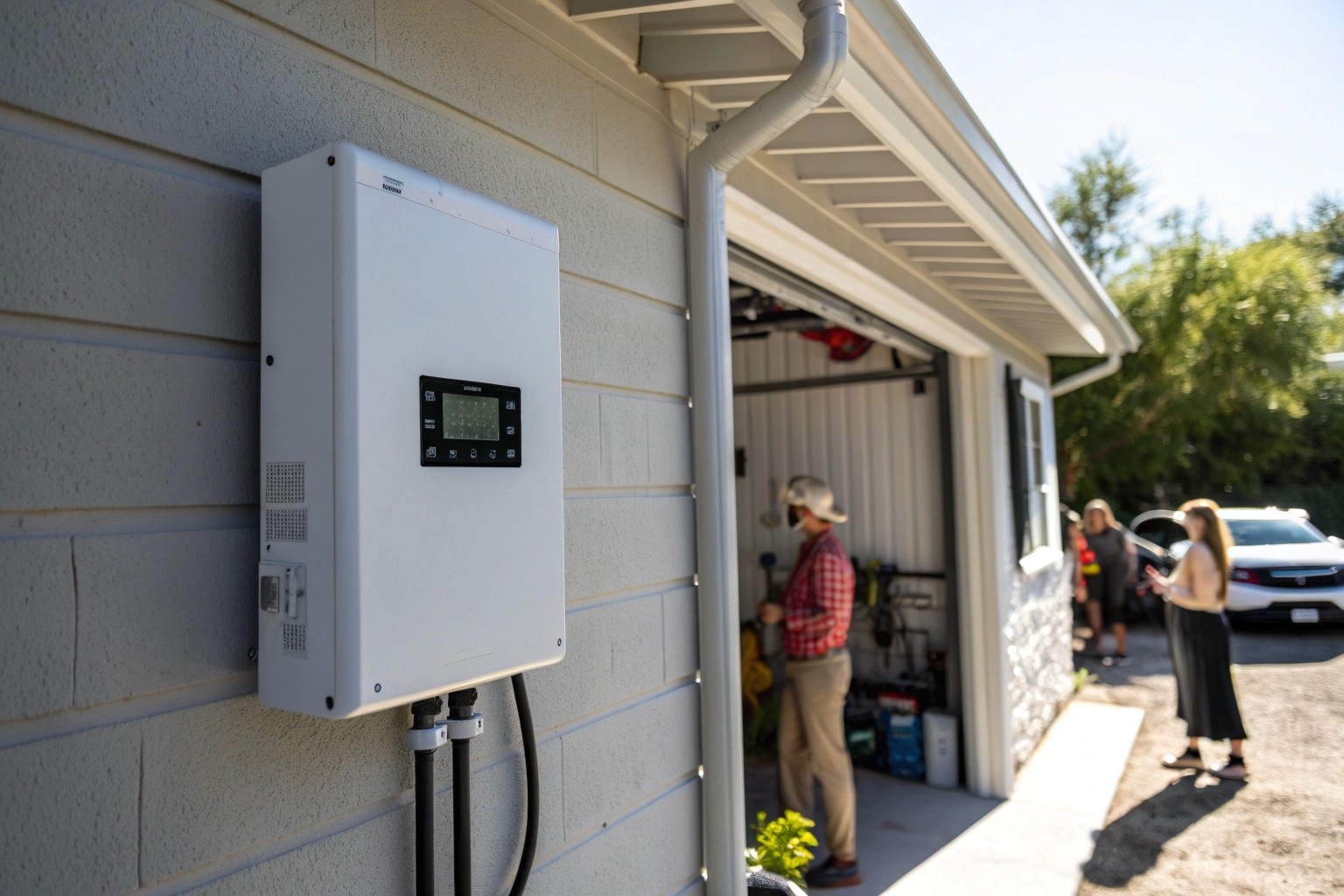
Depending on your setup, we might be installing communication modules, current transformers, or standalone monitoring devices. These connect to your inverter and meter box to collect data on production, consumption, and grid interaction. Everything gets wired in safely and tested to make sure we’re getting accurate readings. For systems without built-in monitoring, we can retrofit quality third-party solutions that work with any inverter brand.
Software Setup and Portal Access
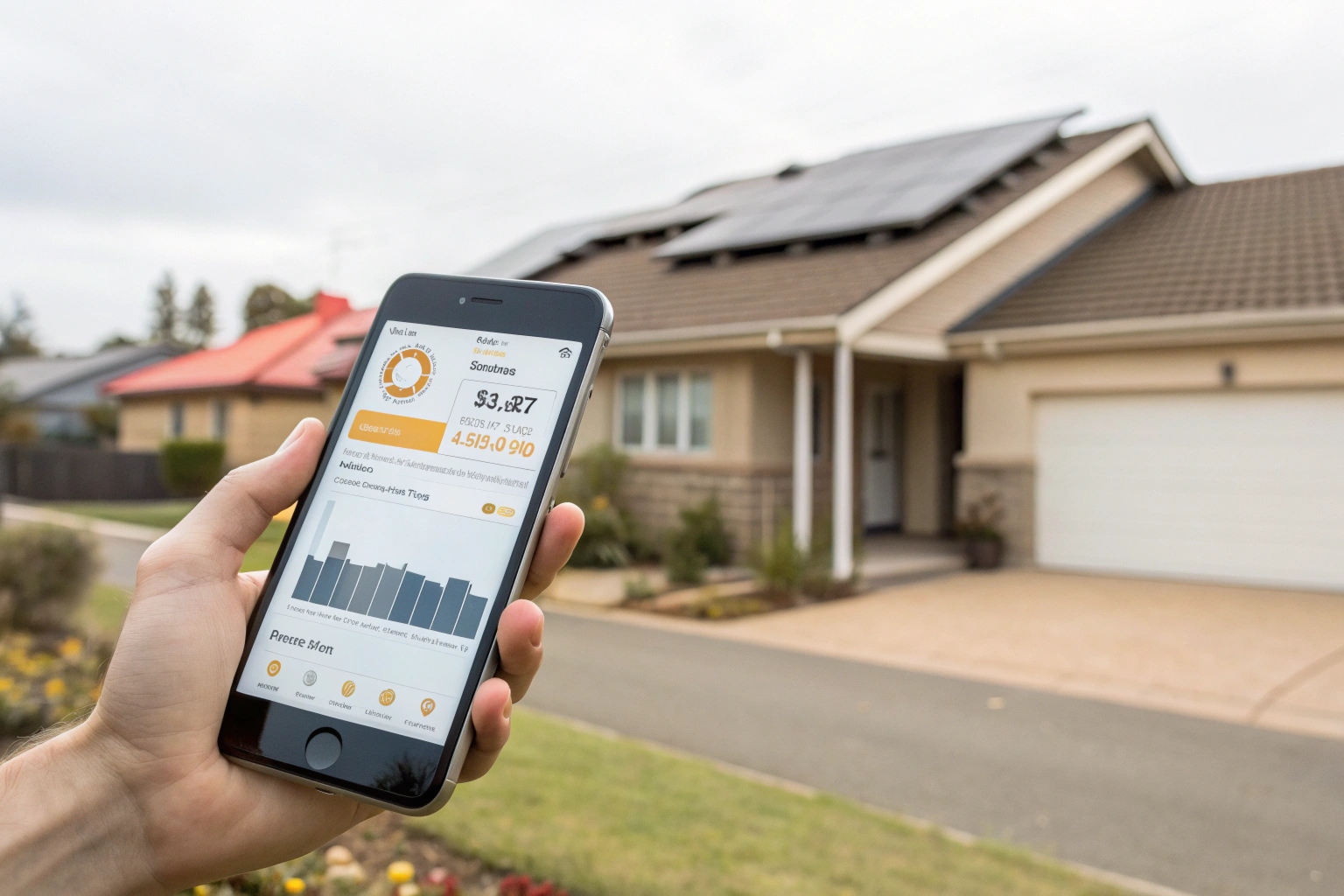
Once the hardware’s in, we configure your monitoring software. This includes setting up your web portal account, downloading and linking mobile apps, and customising your dashboard to show the data that matters most to you. We’ll input your system specifications, electricity rates, and any feed-in tariff details so you get accurate financial tracking. You’ll also get login details for family members if needed, and we’ll make sure notifications are set up properly so you actually get alerted when something’s wrong.

Smart Monitoring Systems and Integration
Modern solar monitoring’s gone way beyond just tracking basic production numbers. The systems we’re installing in Hobart now connect with your whole home energy setup for proper smart control.
Advanced Data Visualisation
Today’s monitoring platforms give you detailed breakdowns of energy flow – you can see production by individual panel strings, track consumption room by room if you’ve got smart meters, and compare performance across days, weeks, or months. Weather data integration shows you how cloud cover’s affecting output, and predictive analytics can forecast your production for the week ahead based on weather forecasts.
Smart Home Integration
Higher-end monitoring systems talk to your smart home devices. They can automatically switch on your hot water system when there’s excess solar, or tell your battery when to charge and discharge for maximum savings. Some connect with EV chargers to top up your car when production’s high. It’s all about using your solar power intelligently instead of just hoping you’re home when the sun’s out.
Retrofitting Monitoring to Existing Solar Systems
Got solar panels installed a few years back without monitoring? You’re not stuck with blind faith forever – we can add monitoring to pretty much any existing system in Hobart.
Compatible with Most Inverter Brands
Whether you’ve got Fronius, SMA, SolarEdge, Enphase, or pretty much any other brand, there’s monitoring solutions that’ll work. Some inverters just need a communication card or Wi-Fi module added, which plugs straight into existing ports. For older inverters without those options, we can install standalone monitoring devices that measure everything independently.
Minimal Disruption to Your System
Adding monitoring doesn’t mean rewiring your whole solar setup. Most installations take just a few hours – we’re not touching your panels or changing how your system operates. We’ll add the necessary sensors and communication hardware, configure everything, and have you tracking your performance the same day. Your system keeps running normally while we work, so you’re not losing any production time.
Remote Monitoring and Real-Time Alerts
The whole point of monitoring is catching issues fast, and that means you need alerts set up properly – not just data sitting in an app you never check.
Instant Fault Notifications
Good monitoring systems send you push notifications or emails the moment something’s off. Inverter error? You’ll know within minutes. Production dropped unexpectedly? Alert. Grid connection issues? You’re notified straight away. This is especially valuable for Hobart properties where you might not be home during peak production hours, or for holiday homes where systems could malfunction for weeks unnoticed.
Remote Diagnostics and Support
When issues pop up, your installer or maintenance team can log into your monitoring remotely to diagnose problems without driving out to your place first. They can check error codes, review production history, and often fix configuration issues remotely. This saves you time and money on callout fees, and gets your system back to full production faster.
Choosing the Right Monitoring Solution for Your Hobart Home
Not all monitoring systems are created equal, and what works for one household might be overkill or not enough for another.
Frequently Asked Questions About Solar Monitoring Setup
Some plug-and-play monitoring devices can technically be DIY’d if you’re comfortable with electrical work, but most setups need a licensed installer. You’re dealing with connections to your inverter and potentially your meter box – not the place for guesswork. Professional installation also means everything’s configured correctly from the start, so you’re getting accurate data instead of troubleshooting connectivity issues for weeks. Plus, improper installation can void warranties on your inverter or monitoring equipment.
Depends entirely on what you need. Basic monitoring that’s built into your inverter might just need activation (sometimes free, sometimes a few hundred for the communication module). Retrofit monitoring for older systems typically runs anywhere from $500 to $1,500 depending on the hardware and features. Advanced systems with consumption tracking and smart home integration can push higher. We’ll give you upfront pricing based on your specific setup – no surprises.
Most systems keep collecting data locally even without internet and upload it once you’re back online, so you won’t lose your production history. What you will miss is real-time alerts and remote access while your connection’s down. If reliable internet’s an issue at your place, we can look at cellular monitoring options that use mobile data instead of your home Wi-Fi.
Yeah, most monitoring platforms let you add multiple systems to one login. Handy if you’ve got solar on your home and a rental property, or if you’re managing systems for family members. You can switch between sites in the app and keep tabs on everything from one place.
For straightforward setups where we’re just adding a communication module to an existing inverter, we’re usually done in a couple hours. More complex retrofits with consumption monitoring and multiple sensors might take half a day. We’ll schedule a time that works for you and get it sorted without disrupting your household too much.
Get Your Solar System Connected with Professional Monitoring
Don’t leave your solar investment to chance. If you’re running panels without proper monitoring, you’re missing out on valuable performance data and potentially losing money on undetected faults. Our team installs and configures solar monitoring systems across Hobart and surrounding areas – from basic production tracking to advanced smart home integration.
We work with all major inverter brands and can retrofit monitoring to older systems that didn’t come with it originally. Whether you’re after simple peace of mind or detailed energy optimization, we’ll get you set up with the right solution for your needs and budget.
Ready to see what your solar system’s actually doing? Give us a call and we’ll arrange a time to assess your setup and recommend the best monitoring option for your Hobart home.
